Leafing or Non-Leafing Aluminium Paste? Understanding Metallic Pigment Behavior
2026 / 01 / 22
Why Metallic Pigment Behavior Matters
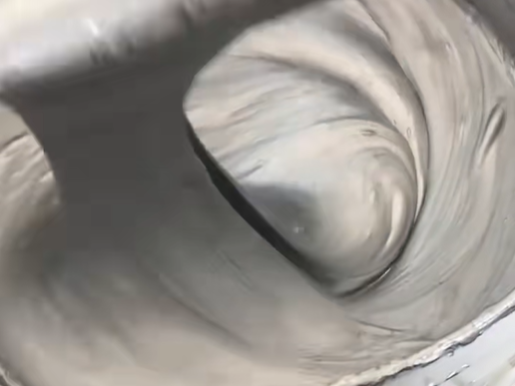
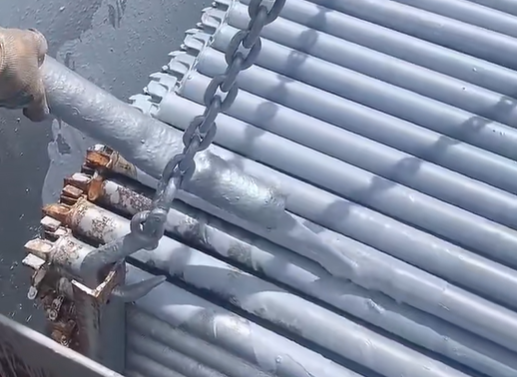
Metallic pigments are widely used in coatings, inks, and industrial finishes to achieve visual impact and functional performance. Among these pigments, aluminium paste plays a central role due to its brightness, reflectivity, and versatility.
However, not all aluminium paste behaves the same. The distinction between leafing aluminium paste and non-leafing aluminium paste fundamentally affects appearance, durability, and protective performance. Understanding metallic pigment behavior is therefore critical for formulators and coating designers.
What Is Leafing Aluminium Paste?
Surface Orientation and “Leafing” Effect
Leafing aluminium paste is characterized by its tendency to migrate toward the surface of a coating film during drying. This behavior results from surface-treated aluminium flakes that preferentially orient and “float” to the top layer.
Key characteristics of leafing aluminium paste include:
-
Flakes aligned parallel to the coating surface
-
Strong surface reflectivity
-
High metallic brightness and gloss
This floating behavior creates a continuous metallic layer at the surface, producing a mirror-like appearance.
Visual and Functional Implications
Because flakes concentrate at the surface, leafing aluminium paste delivers:
-
Excellent brightness and reflectance
-
High hiding power
-
Strong decorative impact
However, surface concentration can limit compatibility with certain topcoats or overcoating systems.
What Is Non-Leafing Aluminium Paste?
Uniform Distribution Within the Film
Non-leafing aluminium paste behaves differently. Its flakes are designed to remain evenly distributed throughout the coating film rather than floating to the surface.
This behavior is achieved through different surface treatments and formulation chemistry, allowing aluminium flakes to bond more uniformly with the binder system.
Key features include:
-
Even flake distribution through the coating layer
-
Balanced reflectivity
-
Improved intercoat adhesion
Performance Advantages
Non-leafing aluminium paste offers advantages where durability and compatibility are critical:
-
Better resistance to abrasion
-
Enhanced overcoating performance
-
Stable metallic appearance over time
These properties make non-leafing aluminium paste suitable for functional and protective coatings.
Flake Orientation: The Core Difference
How Flake Orientation Shapes Performance
The primary distinction between leafing and non-leafing aluminium paste lies in flake orientation.
-
Leafing paste: Flakes migrate and align at the surface
-
Non-leafing paste: Flakes remain distributed within the film
This orientation affects not only appearance but also barrier properties, adhesion, and long-term durability.
Impact on Metallic Appearance
Leafing aluminium paste produces sharper, brighter metallic effects due to concentrated surface reflection. Non-leafing aluminium paste provides a softer, more uniform metallic appearance that integrates better with the coating matrix.
Leafing vs Non-Leafing: Performance Comparison
| Property | Leafing Aluminium Paste | Non-Leafing Aluminium Paste |
| Flake location | Surface-oriented | Uniformly distributed |
| Metallic brightness | Very high | Moderate to high |
| Gloss level | High | Controlled |
| Overcoat compatibility | Limited | Excellent |
| Durability | Moderate | High |
| Barrier protection | Surface-focused | Film-wide |
This comparison highlights why application context determines the preferred choice.
Application-Specific Selection Guidance
Decorative and Reflective Coatings
Leafing aluminium paste is often selected for:
-
Decorative paints
-
Reflective coatings
-
Packaging and ornamental finishes
Its strong surface metallic effect enhances visual appeal where protection demands are secondary.
Automotive and Industrial Coatings
Non-leafing aluminium paste is widely used in:
-
Automotive coatings
-
Industrial protective coatings
-
Anti-corrosion systems
Uniform distribution supports durability, adhesion, and long-term performance under harsh conditions.
Corrosion Resistance and Barrier Behavior
Role of Aluminium Flakes in Protection
Aluminium flakes contribute to corrosion resistance by forming a physical barrier against moisture and oxygen. Non-leafing aluminium paste is particularly effective in this role because flakes overlap throughout the coating film, extending diffusion pathways.
Leafing aluminium paste, while reflective, provides more limited barrier protection since flakes concentrate at the surface.
Compatibility with Modern Coating Systems
Solvent-Based and Waterborne Systems
Both leafing and non-leafing aluminium paste are available in formulations compatible with:
-
Solvent-based coatings
-
Waterborne coating systems
-
Low-VOC formulations
Non-leafing aluminium paste is generally preferred in waterborne systems due to improved dispersion stability and adhesion.
Common Misconceptions About Leafing and Non-Leafing Paste
“Leafing Is Always Better for Metallic Effect”
While leafing paste delivers stronger surface brightness, it is not universally superior. In many applications, uniform appearance and durability outweigh maximum reflectivity.
“Non-Leafing Lacks Visual Impact”
Modern non-leafing aluminium paste technologies can still achieve high-quality metallic appearance while providing additional functional benefits.
Industry Trends and Development
Shift Toward Functional Metallic Pigments
As coatings move toward multi-functional performance, non-leafing aluminium paste continues to gain importance. Demand is growing in sectors requiring both appearance and protection.
Environmental and Regulatory Influence
Waterborne and low-VOC coating trends are also shaping metallic pigment development, with non-leafing aluminium paste offering better compatibility with sustainable systems.
Conclusion
The choice between leafing and non-leafing aluminium paste depends on understanding metallic pigment behavior rather than appearance alone. Leafing aluminium paste excels in surface brightness and decorative impact, while non-leafing aluminium paste provides balanced metallic appearance, durability, and functional protection.
Selecting the appropriate aluminium paste type ensures optimal performance across coatings, inks, and industrial applications.