The core role of aluminium pigments in modern industrial coatings
2026 / 01 / 21Why Aluminium Pigments Matter in Industrial Coatings
Industrial coatings are designed to protect assets that operate under extreme conditions. From bridges and pipelines to machinery and storage tanks, these coatings must resist corrosion, moisture, chemicals, and mechanical stress over long service lives.
Within these demanding environments, aluminium pigments play a critical role. Beyond providing metallic appearance, aluminium pigments contribute directly to protective performance by improving barrier properties and extending coating durability. As industrial infrastructure expands worldwide, the importance of aluminium pigments in industrial coatings continues to increase.
Understanding Aluminium Pigments in Industrial Applications
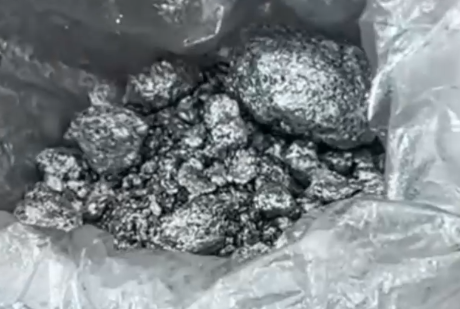
What Are Aluminium Pigments?
Aluminium pigments consist of finely processed aluminium flakes engineered for use in coatings, inks, and protective systems. Unlike decorative pigments, industrial aluminium pigments are optimized for functional performance rather than purely aesthetic effects.
Key characteristics include:
-
Platelet-shaped flake geometry
-
Controlled particle size distribution
-
Surface treatments for stability and compatibility
These features enable aluminium pigments to integrate effectively into industrial coating formulations.
Aluminium Paste vs Aluminium Pigment Powder
In industrial coatings, aluminium pigments are commonly supplied in paste or powder form. Each format offers specific advantages.
|
|||||||||||||||
|---|---|---|---|---|---|---|---|---|---|---|---|---|---|---|---|
For most industrial coatings, aluminium paste is favored due to improved dispersion, reduced dust, and more consistent performance.
The Protective Mechanism of Aluminium Pigments
Flake-Based Barrier Effect
One of the most important functions of aluminium pigments in industrial coatings is the barrier protection mechanism.
When aluminium flakes align parallel to the coated surface, they form an overlapping, layered structure often described as a “fish-scale” arrangement. This structure:
-
Extends the diffusion path for moisture
-
Reduces oxygen penetration
-
Slows corrosion processes
This physical barrier significantly enhances the protective performance of industrial coatings applied to steel and other substrates.
Contribution to Corrosion Resistance
Industrial environments often expose metal surfaces to humidity, salt spray, chemicals, and temperature fluctuations. Aluminium pigments improve corrosion resistance by:
-
Reflecting moisture and heat
-
Reducing direct contact between corrosive agents and the substrate
-
Supporting the effectiveness of anti-corrosion additives
As a result, aluminium-pigmented coatings are widely used in corrosion-resistant coating systems.
Durability Requirements in Industrial Coatings
Long-Term Performance Expectations
Unlike decorative coatings, industrial coatings are expected to perform for many years, often with minimal maintenance. Aluminium pigments support long-term durability by maintaining structural integrity within the coating film.
Performance requirements include:
-
Resistance to cracking and blistering
-
Stability under UV exposure
-
Mechanical durability in harsh conditions
High-quality aluminium pigments help coatings meet these demanding criteria.
Thermal and Environmental Stability
Many industrial assets operate under elevated temperatures or fluctuating climates. Aluminium pigments offer:
-
Good thermal stability
-
Reflective properties that reduce heat absorption
-
Resistance to degradation under environmental stress
These features contribute to consistent coating performance over extended service periods.
Synergy with Other Anti-Corrosion Pigments
Aluminium Pigments and Zinc-Based Systems
In industrial coatings, aluminium pigments are often used alongside zinc-rich systems or other anti-corrosion pigments. Each pigment type contributes differently to corrosion protection.
-
Zinc provides sacrificial (cathodic) protection
-
Aluminium pigments enhance barrier performance
-
Combined systems offer balanced protection
This synergistic approach is commonly used in high-performance industrial coating systems.
Compatibility with Modern Binder Systems
Aluminium pigments are compatible with a wide range of binder technologies, including:
-
Epoxy coatings
-
Polyurethane systems
-
Acrylic industrial coatings
-
Waterborne industrial formulations
This versatility supports their widespread use across different industrial sectors.
Typical Industrial Applications of Aluminium Pigments
Aluminium pigments are used in numerous industrial coating applications, including:
-
Steel structures and bridges
-
Oil and gas pipelines
-
Industrial equipment and machinery
-
Storage tanks and silos
-
Power generation facilities
In these applications, aluminium pigments provide both visual identification and functional protection.
Industrial Aluminium Coatings Market Trends
Infrastructure and Industrial Growth
Global investment in infrastructure and industrial development continues to drive demand for protective coatings. As new assets are built and existing structures are refurbished, aluminium pigments remain a core component of industrial coating systems.
Key growth drivers include:
-
Expansion of transportation infrastructure
-
Energy sector development
-
Industrial modernization in emerging markets
These trends support steady growth in the aluminium pigments market.
Sustainability and Regulatory Influence
Environmental regulations are influencing pigment selection in industrial coatings. Aluminium pigments are increasingly used in:
-
Low-VOC coating systems
-
Waterborne industrial coatings
-
Environmentally compliant formulations
Ongoing improvements in pigment processing and surface treatment are helping aluminium pigments align with sustainability goals.
Quality Control and Processing Considerations
To achieve consistent industrial coating performance, careful control of aluminium pigment properties is essential.
Important factors include:
-
Flake size and thickness
-
Surface treatment compatibility
-
Dispersion techniques
-
Mixing and application parameters
Proper quality control ensures that aluminium pigments deliver predictable results across different industrial coating systems.
Challenges and Ongoing Development
While aluminium pigments offer many benefits, challenges remain in industrial applications, such as:
-
Managing oxidation in waterborne systems
-
Ensuring long-term storage stability
-
Optimizing dispersion in high-solid formulations
Ongoing research and development continue to address these challenges through advanced surface treatments and formulation technologies.
Outlook: The Future of Aluminium Pigments in Industrial Coatings
As industrial coatings evolve to meet higher performance and sustainability standards, aluminium pigments are expected to maintain a strong position in the market.
Future developments are likely to focus on:
-
Enhanced performance in waterborne systems
-
Improved durability and barrier efficiency
-
Greater compatibility with environmentally friendly binders
These advancements will further strengthen the role of aluminium pigments in industrial coating applications.
Conclusion
Aluminium pigments are a cornerstone of modern industrial coatings. By combining barrier protection, corrosion resistance, and long-term durability, they help protect critical assets across a wide range of industries.
As infrastructure investment grows and coating technologies continue to advance, aluminium pigments will remain essential in delivering reliable, high-performance industrial coating solutions.