Leafing vs Non-Leafing Aluminium Paste: Performance Differences in Coatings
2026 / 01 / 05Aluminium paste is widely used in coatings to create metallic appearance and functional protection. Among different types, leafing and non-leafing aluminium paste represent two distinct performance approaches based on flake orientation within the coating film.
Understanding their differences is essential for selecting the right aluminium pigment for specific coating applications.
Leafing Aluminium Paste: Floating Flake Mechanism
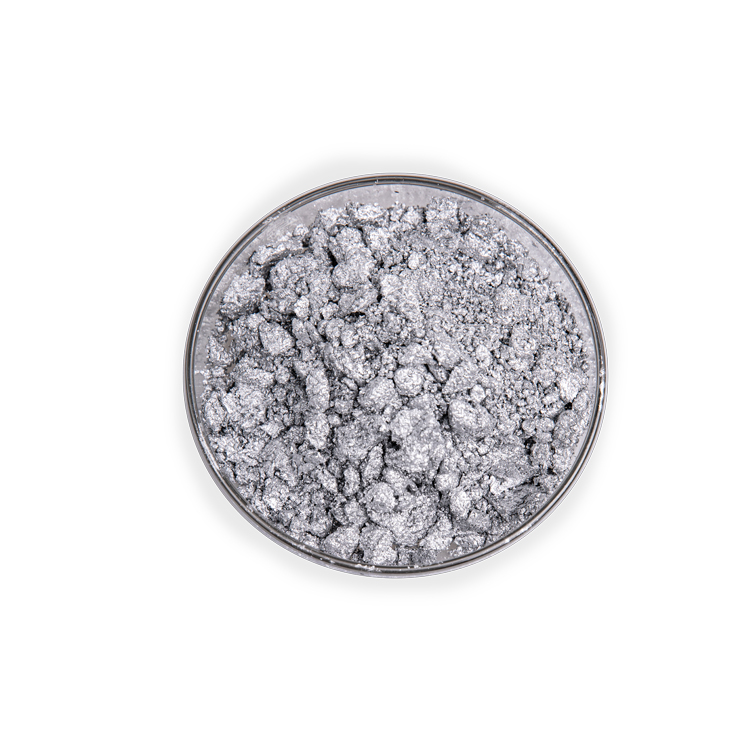
Leafing aluminium paste contains surface-treated aluminium flakes that migrate toward the coating surface during drying.
Key characteristics include:
-
Flakes align parallel at the top layer
-
Strong light reflection and metallic brightness
-
Enhanced barrier effect against moisture
This floating structure creates a reflective metallic layer, making leafing aluminium paste suitable for decorative and protective coatings where surface brilliance is required.
Non-Leafing Aluminium Paste: Uniform Distribution
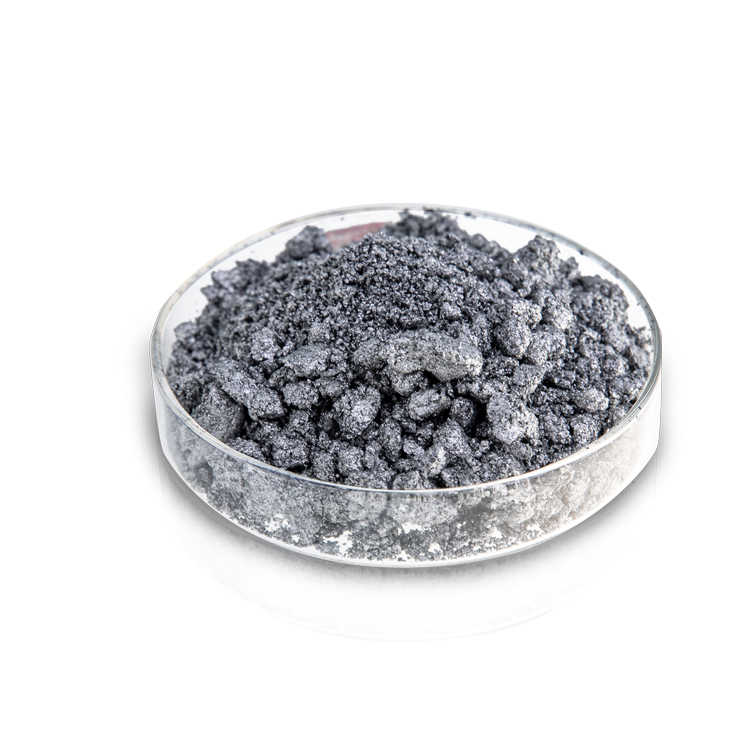
In contrast, non leafing aluminium paste disperses evenly throughout the coating film.
Its performance advantages include:
-
Uniform metallic appearance
-
Better adhesion with binders
-
Improved compatibility with clear coats
Non-leafing aluminium paste is commonly used in automotive coatings, industrial finishes, and systems requiring stable long-term performance.
Application-Based Selection
| Application Area | Recommended Type |
| Decorative metallic paints | Leafing |
| Automotive coatings | Non-leafing |
| Industrial protection | Non-leafing |
| Anti-corrosion primers | Leafing / Hybrid |
Conclusion
Leafing and non-leafing aluminium paste serve different technical purposes. Selecting the appropriate type ensures optimal appearance, durability, and system compatibility in coating formulations.