Why Aluminium Paste Is Widely Used in Screen Printing and Silver Inks
2025 / 12 / 30
Metallic Effects Remain Essential in Modern Printing
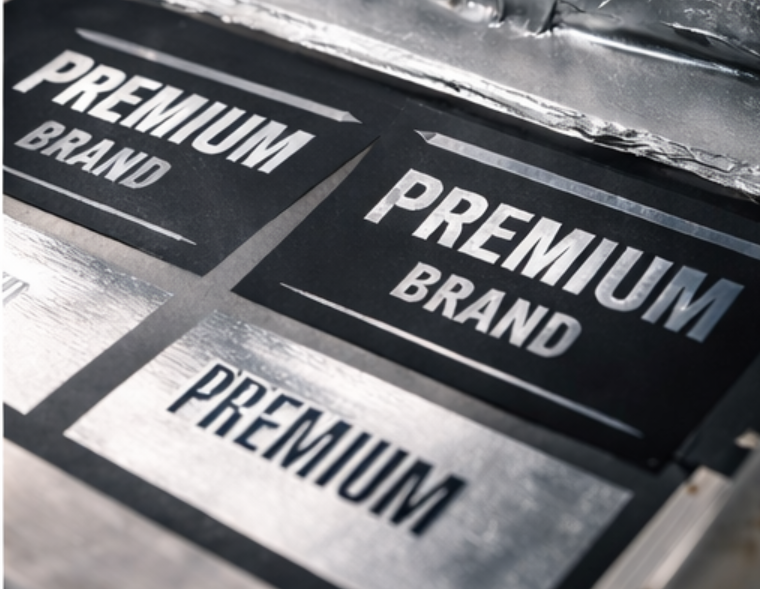
Metallic visual effects continue to play a critical role in screen printing and silver ink applications, particularly in packaging, labels, posters, and decorative prints.
Among various metallic pigments, aluminium paste has become a widely adopted solution due to its ability to deliver high brightness, strong opacity, and consistent print quality. As demand for visually striking yet cost-effective metallic inks grows, aluminium-based systems remain central to ink formulation strategies.
The Demand for Brightness and Opacity in Metallic Inks
Visual Impact Drives Pigment Selection
In screen printing, metallic inks are expected to stand out immediately.
This places high demands on pigments in terms of:
-
Metallic brightness and reflectivity
-
High opacity to cover dark or colored substrates
-
Uniform appearance across printed areas
Screen inks aluminium paste meets these requirements by utilizing thin, flat aluminium flakes that reflect light efficiently, producing a clean and bright silver metallic appearance even at relatively low pigment loadings.
How Aluminium Paste Performs in Screen Printing Inks
Dispersion and Rheology Stability
Successful screen printing relies on stable ink behavior during printing.
When formulated correctly, aluminium paste for ink offers:
-
Uniform dispersion within resin systems
-
Minimal sedimentation during storage
-
Stable viscosity suitable for screen mesh transfer
These characteristics help ensure consistent ink flow and repeatable print results, which are essential in high-volume printing environments.
Flake Orientation and Print Consistency
During the printing process, aluminium flakes tend to align parallel to the substrate surface.
This orientation leads to:
-
Enhanced light reflection
-
Reduced visual streaking
-
Even metallic coverage across large print areas
As a result, aluminium paste contributes directly to print consistency, a key performance indicator in screen printing operations.
Aluminium Paste vs Pearlescent Pigments in Metallic Inks
Fundamental Differences in Visual Effect
Although pearlescent pigments are sometimes used in decorative inks, their optical behavior differs significantly from aluminium-based systems.
|
|---|
Because of these differences, aluminium paste is often preferred when strong metallic coverage and brightness are required, especially in silver inks and industrial printing applications.
Growth of the Silver Inks Paste Market
Packaging and Decorative Printing Drive Demand
Recent industry observations show steady growth in the silver inks paste market, driven by:
-
Premium packaging designs
-
Brand differentiation through metallic effects
-
Increased use of metallic inks in labels and promotional materials
Aluminium paste remains a core raw material in these inks, offering a balance between visual performance, process stability, and economic efficiency.
Application Areas Using Aluminium Paste in Inks
Common applications include:
-
Screen-printed packaging and cartons
-
Labels and brand logos
-
Posters and decorative prints
-
Metal and plastic surface printing
Across these segments, aluminium paste continues to support both aesthetic requirements and production efficiency.
Frequently Asked Questions
Why is aluminium paste widely used in screen printing inks?
It provides high brightness, strong opacity, and stable dispersion, making it suitable for consistent metallic printing.
Is aluminium paste better than pearl pigments for silver inks?
For strong metallic appearance and coverage, aluminium paste typically outperforms pearlescent pigments.
Does aluminium paste affect ink printability?
When properly formulated, it supports stable rheology and smooth screen transfer.
Conclusion: A Proven Metallic Pigment for Printing Applications
As visual differentiation becomes increasingly important in printing, aluminium paste remains a reliable metallic pigment for screen printing and silver inks.
Its combination of brightness, opacity, dispersion stability, and cost efficiency explains why aluminium paste continues to be widely used across packaging and decorative printing markets.