Inside Industrial Paint Formulations: The Role of Aluminium Paste
2026 / 11 / 20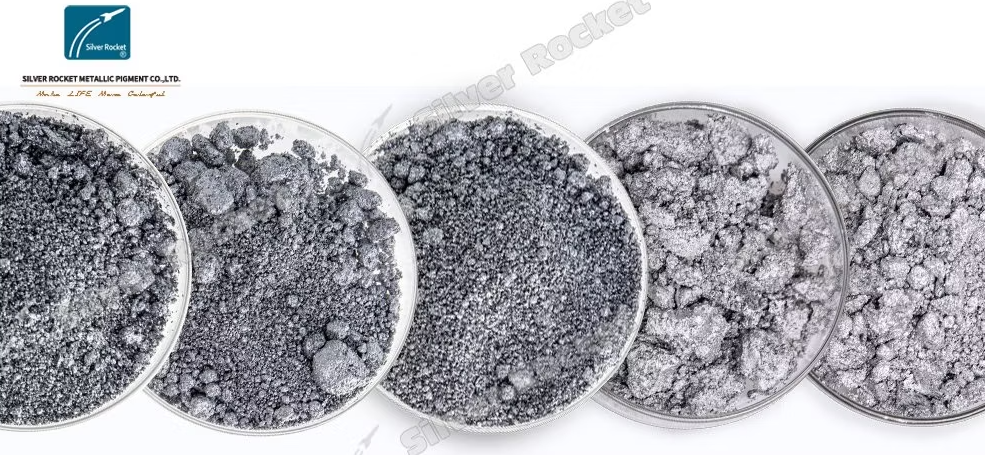
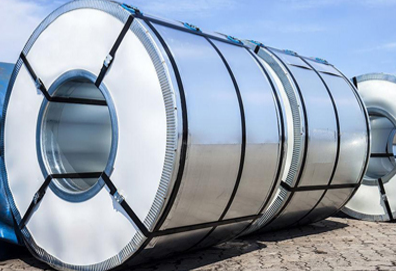
Aluminium paste is an important metallic pigment used in industrial paint formulations to create silver metallic effects, improve visual appearance, and provide a distinctive surface finish. It is widely considered in applications such as metal coatings, industrial equipment coatings, steel structure coatings, and decorative protective finishes.
However, the performance of aluminium paste depends on more than its metallic appearance. Particle size, flake orientation, dispersion, and compatibility with the coating system all influence the final result.
For industrial paint manufacturers, understanding these factors is essential when selecting aluminium paste for production.
1. The Role of Aluminium Paste in Industrial Paint
Aluminium paste consists of fine aluminium flakes dispersed in a liquid carrier. When incorporated into a suitable coating formulation, these flakes can reflect light and create a metallic appearance.
Depending on the product grade and formulation, aluminium paste can contribute to:
-
Metallic appearance: Producing silver and metallic finishes on coated surfaces.
-
Visual uniformity: Supporting a consistent metallic effect when properly dispersed and applied.
-
Surface appearance: Creating different visual textures through particle size and flake orientation.
-
Formulation flexibility: Providing different metallic effects for various industrial coating requirements.
The appropriate aluminium paste grade should be selected according to the coating formulation and intended application.
2. Common Industrial Paint Applications
Aluminium paste is used in different industrial coating applications where metallic appearance and coating consistency are important.
|
||||||||||||||||||
|---|---|---|---|---|---|---|---|---|---|---|---|---|---|---|---|---|---|---|
Each application may require a different aluminium paste grade. Buyers should evaluate the product under their actual coating conditions instead of relying only on its appearance in the container.
3. Leafing and Non-Leafing Aluminium Paste in Industrial Paint
One important distinction between aluminium paste products is their leafing behavior.
Leafing Aluminium Paste
Leafing aluminium paste tends to orient toward the surface of the coating film during application and drying.
Its typical characteristics include:
-
Strong metallic reflection
-
High surface brightness
-
Aluminium flakes concentrated near the coating surface
-
A distinctive silver appearance
It may be considered for coating formulations where a bright, surface-oriented metallic effect is required.
Non-Leafing Aluminium Paste
Non-leafing aluminium paste remains more evenly distributed throughout the coating film rather than concentrating at the surface.
Its typical characteristics include:
-
More uniform flake distribution within the coating film
-
Flexibility in achieving different metallic appearances
-
Suitability for various industrial coating formulations
-
Different possibilities for metallic finish design
The choice between leafing and non-leafing aluminium paste depends on the desired appearance, coating formulation, and performance requirements.
4. Particle Size and Its Influence on Metallic Appearance
Particle size is another key factor when selecting aluminium paste for industrial paint.
Different particle sizes can produce different visual effects:
| Particle Size Category | General Appearance | Typical Selection Focus |
| Fine | Smooth and delicate metallic effect | Fine surface appearance |
| Medium | Balanced metallic appearance | General industrial coatings |
| Coarse | More noticeable metallic sparkle | Decorative metallic finishes |
These descriptions are general selection guidelines rather than fixed performance guarantees. The final appearance is also affected by particle size distribution, flake shape, coating thickness, resin system, and application conditions.
When requesting aluminium paste, buyers should ask for the relevant particle size data, including D50 where available.
5. Formulation Compatibility and Dispersion
Even a suitable aluminium paste grade may not perform as expected if it is incompatible with the coating formulation.
Before production, industrial paint manufacturers should evaluate several factors:
Resin Compatibility
Check whether the aluminium paste is suitable for the resin system used in the coating, such as the intended acrylic, alkyd, or other binder system.
Solvent Compatibility
Confirm that the carrier and solvent system are suitable for the formulation. Compatibility should be verified through laboratory testing.
Dispersion Conditions
Use the supplier's recommended incorporation procedure. Avoid unnecessarily high shear or aggressive mixing conditions that may damage aluminium flakes or affect the metallic appearance.
Storage Stability
Evaluate the storage behavior of the formulated coating and the aluminium paste according to the supplier's technical recommendations.
A small-scale formulation test is recommended before moving to regular production.
6. What Industrial Paint Manufacturers Should Check Before Purchasing
Before placing an order, buyers should compare the technical information of different aluminium paste grades.
Important items include:
-
Particle Size: Confirm the particle size range and D50 where applicable.
-
Metal Content: Review the specified aluminium content.
-
Non-Volatile Content: Check the product's solid content information.
-
Leafing Properties: Confirm whether leafing or non-leafing characteristics are required.
-
Carrier System: Check compatibility with the intended formulation.
-
Application Performance: Evaluate metallic appearance and dispersion in actual coating trials.
-
Batch Consistency: Confirm the product specifications and acceptance requirements for repeat orders.
Requesting a Technical Data Sheet (TDS) helps buyers compare products using consistent technical criteria.
7. Choosing an Aluminium Paste Supplier for Industrial Paint Production
For industrial paint manufacturers, choosing a suitable supplier is an important part of raw material sourcing.
A professional aluminium paste manufacturer should provide clear product specifications and communicate about different application requirements.
Before making a purchasing decision, buyers should confirm:
-
Available aluminium paste grades
-
Technical data and product specifications
-
Recommended application and incorporation methods
-
Packaging and order quantity requirements
-
Sample evaluation and bulk order arrangements
-
Communication and technical support
The right product should meet both the metallic appearance requirements and the practical needs of the coating production process.
ZQ Metallic – Aluminium Paste for Industrial Coatings
Zhangqiu Metallic Pigment Co., Ltd. (ZQ Metallic) supplies metallic pigment products, with aluminium paste as a key product category.
For industrial paint manufacturers, selecting the appropriate aluminium paste grade requires consideration of the coating application, desired metallic effect, particle size, and formulation compatibility.
If you are looking for aluminium paste for industrial paint, metal coatings, hardware baking paint, or other coating applications, contact ZQ Metallic to discuss your requirements.
Contact ZQ Metallic
Website: https://www.zqmetallic.com/
Email: info@zqmetallic.com/
Share your coating application, resin or solvent system, desired metallic effect, and estimated order quantity to help identify a suitable product option.
Frequently Asked Questions
Q1: What is aluminium paste used for in industrial paint?
Aluminium paste is used to create silver metallic effects and distinctive surface finishes in industrial coatings, metal coatings, hardware paint, and other decorative coating applications.
Q2: Which aluminium paste is better for industrial paint, leafing or non-leafing?
Neither type is universally better. Leafing aluminium paste is generally selected for surface-oriented metallic reflection, while non-leafing aluminium paste is used when a more evenly distributed metallic effect within the coating film is required.
Q3: Does aluminium paste particle size affect coating appearance?
Yes. Particle size can influence metallic brightness, visual texture, and sparkle. However, the final appearance also depends on flake distribution, coating formulation, film thickness, and application conditions.
Q4: Can aluminium paste be used in different resin systems?
Different aluminium paste grades have different compatibility characteristics. Buyers should confirm suitability for their specific resin and solvent system with the manufacturer and conduct formulation tests before production.
Q5: What information should I provide when requesting aluminium paste for industrial paint?
Provide the coating application, resin system, solvent system, desired metallic appearance, particle size requirements if known, and estimated purchasing quantity. This information helps the supplier recommend an appropriate grade.
- Previous:What to Consider When Buying Aluminium Paste for Coatings
- Next:I have no