Leafing Aluminium Paste vs Non-Leafing Aluminium Paste: Application Guide
2026 / 07 / 18Metallic coatings are widely used in automotive finishes, industrial paints, architectural coatings and printing inks. One of the most important decisions when developing these coatings is selecting the right aluminium pigment.
The two most common types are leafing aluminium paste and non-leafing aluminium paste. Although both create metallic effects, they differ in flake orientation, appearance and application performance. Understanding these differences helps coating manufacturers choose the most suitable aluminium paste for their formulations.
What Is Leafing Aluminium Paste?
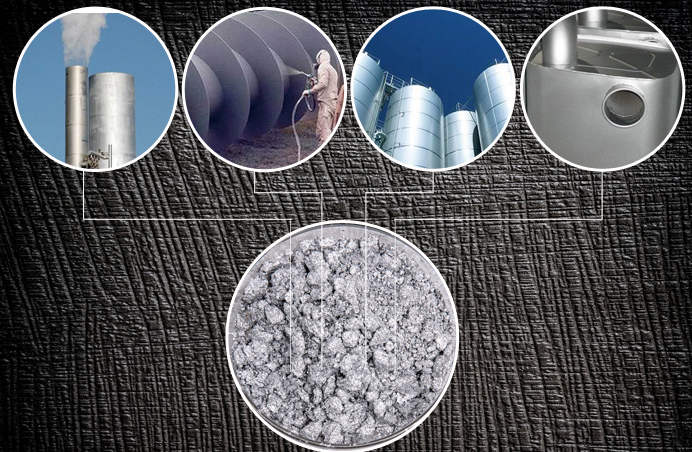
Leafing aluminium paste is designed so that aluminium flakes migrate toward the surface of the coating during the drying process. The flakes overlap to form a dense metallic layer, producing a bright, highly reflective silver finish.
This surface orientation gives leafing aluminium paste excellent hiding power and a strong metallic appearance.
Main Characteristics
- High metallic brightness
- Excellent reflectivity
- Strong hiding power
- Outstanding silver effect
- Surface-oriented aluminium flakes
Because the aluminium flakes concentrate near the coating surface, leafing aluminium paste is commonly used where maximum metallic brilliance is required.
What Is Non-Leafing Aluminium Paste?
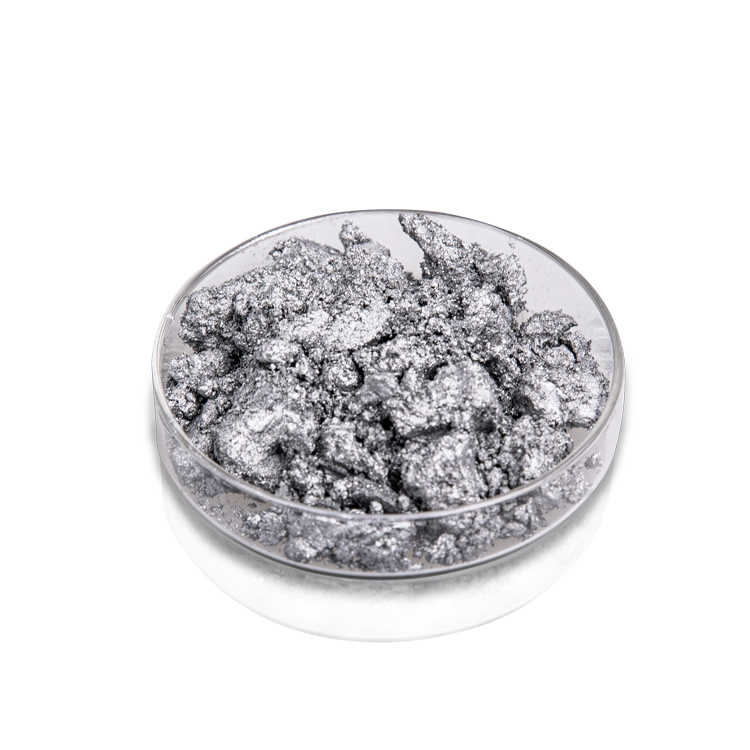
Unlike leafing grades, non-leafing aluminium paste keeps aluminium flakes evenly distributed throughout the coating film. Instead of floating to the surface, the flakes remain embedded in the resin.
This creates a smoother metallic appearance with better compatibility for topcoat systems and multilayer coatings.
Main Characteristics
- Uniform metallic appearance
- Smooth silver finish
- Good coating compatibility
- Excellent color consistency
- Even flake distribution
Non-leafing aluminium paste is the preferred choice for coatings requiring both decorative appearance and long-term durability.
Key Differences Between Leafing and Non-Leafing Aluminium Paste
| Feature | Leafing Aluminium Paste | Non-Leafing Aluminium Paste |
|---|---|---|
| Flake orientation | Floats to the coating surface | Evenly distributed throughout the coating |
| Metallic appearance | Bright, mirror-like silver | Smooth and natural metallic finish |
| Reflectivity | Very high | Moderate to high |
| Hiding power | Excellent | Good |
| Topcoat compatibility | Limited | Excellent |
| Weather resistance | Depends on coating system | Better in multilayer systems |
| Typical applications | Protective coatings, roof coatings, anti-corrosion paints | Automotive coatings, industrial paints, plastic coatings |
Applications of Leafing Aluminium Paste
Leafing aluminium paste is commonly selected when maximum reflectivity and surface protection are required.
Typical applications include:
- Anti-corrosion coatings
- Roof coatings
- Protective industrial paints
- Silver paints
- Reflective coatings
- Marine protective coatings
Its overlapping aluminium flake structure helps create an effective barrier against moisture and corrosive environments in suitable coating systems.
Applications of Non-Leafing Aluminium Paste
Non-leafing aluminium paste is more suitable for coatings where appearance, adhesion and compatibility are important.
Common applications include:
- Automotive OEM coatings
- Automotive refinish paints
- Industrial coatings
- Plastic coatings
- Furniture coatings
- Decorative architectural coatings
Its even flake distribution creates a refined metallic effect while allowing excellent compatibility with clear coats.
Which Aluminium Paste Provides Better Metallic Effects?
The answer depends on the desired finish.
If your goal is:
- High reflectivity
- Bright silver appearance
- Strong hiding power
Leafing aluminium paste is usually the better option.
If you require:
- Smooth metallic texture
- Uniform color consistency
- Better multilayer coating performance
- Excellent decorative appearance
Non-leafing aluminium paste is generally the preferred choice.
Neither type is universally better—they are designed for different coating requirements.
Factors to Consider When Selecting Aluminium Paste
Before choosing a product, coating manufacturers should evaluate:
Coating System
Different resin systems may perform better with specific aluminium paste types.
Application Method
Spray application, roller coating and brush application can influence flake orientation and final appearance.
Desired Metallic Effect
Fine particle grades create smooth metallic finishes, while larger particles provide stronger sparkle effects.
Environmental Requirements
Outdoor coatings, industrial protection and decorative finishes may require different pigment characteristics.
Choosing the Right Aluminium Paste for Your Application
When selecting aluminium paste, manufacturers should consider the complete coating formulation rather than focusing only on metallic brightness.
Questions to ask include:
- Is a clear topcoat required?
- Will the coating be used outdoors?
- Is corrosion resistance a priority?
- Is a mirror-like finish or a smooth metallic effect preferred?
- What level of batch consistency is needed?
Working with an experienced aluminium paste supplier can help optimize pigment selection for both appearance and production efficiency.
Conclusion
Both leafing aluminium paste and non-leafing aluminium paste play important roles in modern coating technology. Leafing grades deliver exceptional brightness, reflectivity and hiding power, making them ideal for protective and reflective coatings. Non-leafing grades provide smooth metallic finishes, excellent compatibility and superior performance in decorative and automotive coating systems.
Understanding the differences between these two aluminium pigments allows manufacturers to choose the right solution for their specific applications and achieve consistent, high-quality metallic finishes.