Aluminium Pigments and Specialty Metallic Pigments Market Trends
2026 / 01 / 13
Evolving Demand for Metallic Pigments
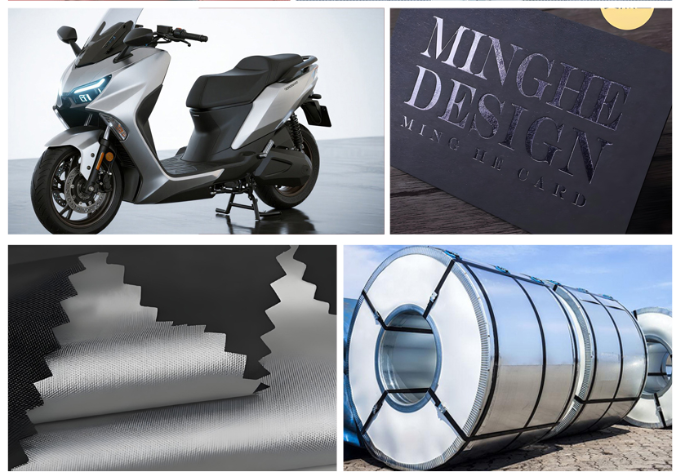
The specialty metallic pigments industry continues to expand as metallic effects gain importance across coatings, inks, plastics, and construction materials.
Among available options, aluminium pigments remain dominant due to their versatility, performance reliability, and cost efficiency.
Key Market Drivers
Automotive Design Demand
Automotive manufacturers increasingly use metallic finishes to:
-
Enhance visual appeal
-
Differentiate product lines
-
Meet consumer expectations for premium appearance
Aluminium pigments are widely used in automotive coatings due to predictable optical performance.
Infrastructure and Construction Growth
Infrastructure development drives demand for:
-
Industrial coatings
-
Protective finishes
-
Lightweight construction materials
Aluminium pigments support both decorative and functional requirements in these sectors.
Sustainable Coating Technologies
The transition toward:
-
Waterborne systems
-
Low-VOC formulations
-
Environmentally compliant coatings
has reinforced the importance of adaptable metallic pigments such as aluminium.
Aluminium Pigments vs Other Metallic Pigments
Compared with bronze, pearlescent, and chrome-effect pigments, aluminium pigments offer:
-
Cost efficiency, supporting large-scale applications
-
Versatile performance across coatings, inks, and construction
-
Proven durability in demanding environments
These advantages explain their continued market leadership.
Market Outlook
Technology Development Trends
Future innovation is expected to focus on:
-
Improved dispersion and stability
-
Enhanced brightness control
-
Greater compatibility with sustainable systems
Long-Term Industry Perspective
As industries prioritize durability, sustainability, and cost control, aluminium pigments are likely to remain central to the specialty metallic pigments market.
Conclusion
Aluminium pigments continue to define the specialty metallic pigments industry through balanced performance, adaptability, and long-term reliability.
Market growth driven by coatings, construction, and sustainability trends will further shape the future development of aluminium-based metallic pigments.