Waterborne Aluminium Paste Gains Attention as a Low-Odor Metallic Solution
2025 / 12 / 29Low-Odor Metallic Pigments Become a Market Focus
As coating and ink industries continue to reduce solvent emissions, odor control has become a key formulation requirement—especially for indoor, decorative, and packaging applications.
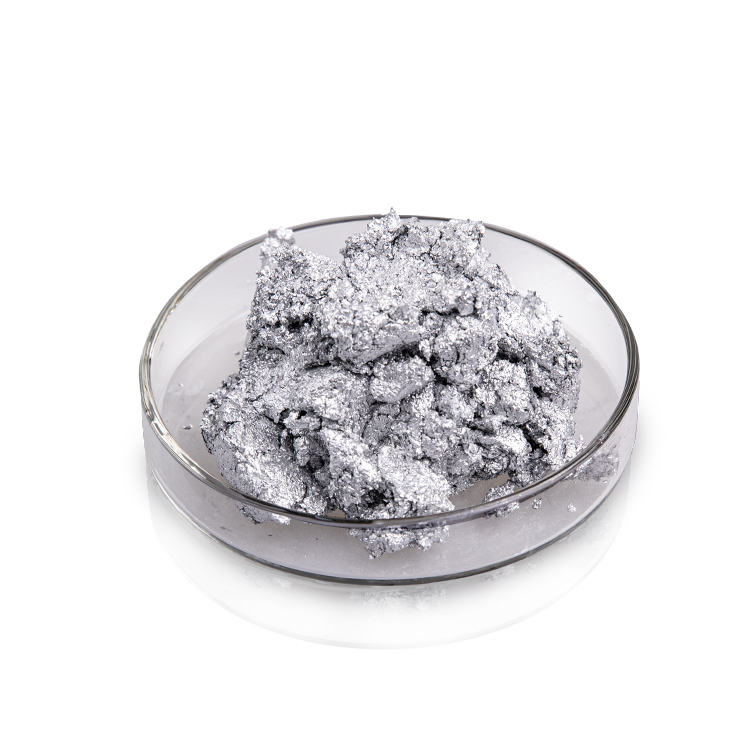
Against this backdrop, waterborne aluminium paste is increasingly recognized as a practical metallic pigment solution, combining low odor, environmental compliance, and reliable metallic performance.
Why Low-Odor Performance Matters in Modern Coatings
Odor is no longer a secondary concern in coating formulation.
In many regions, regulations and customer expectations now demand:
-
Improved indoor air quality
-
Reduced solvent emissions
-
Safer handling during application and curing
Traditional solvent-based metallic pigments often release noticeable odors during processing. In contrast, aqueous aluminium paste significantly reduces these issues, making it suitable for sensitive environments.
How Waterborne Aluminium Paste Reduces Odor
Aqueous Systems Replace Traditional Solvents
Waterborne aluminium paste uses water as the primary carrier, rather than aromatic or high-volatility solvents.
This formulation approach helps achieve:
-
Noticeably lower odor during storage and application
-
Reduced worker exposure to solvent vapors
-
Improved compliance with low-VOC coating standards
As a result, no-smell or light-smell aluminium paste has become a frequent search focus in recent market data.
Metallic Appearance in Waterborne Systems
Light Reflection and Flake Orientation
Low odor does not mean compromised appearance.
In waterborne aluminium paste:
-
Aluminium flakes are surface-treated to maintain stability in water
-
Controlled flake orientation enables consistent light reflection
-
Metallic brightness and optical uniformity remain comparable to solvent-based systems
This ensures that decorative and industrial coatings retain the clean, silver metallic look expected by designers and end users.
Stability and Performance in Water-Based Formulations
Dispersion and Oxidation Control
One technical challenge in aqueous systems is aluminium reactivity with water.
Modern waterborne aluminium paste addresses this through:
-
Surface-treated aluminium flakes
-
Improved dispersion stability
-
Enhanced resistance to oxidation and gas formation
These measures allow waterborne aluminium paste to perform reliably in water-based coatings, inks, and pigment systems.
Key Application Areas Driving Demand
Waterborne aluminium paste is increasingly applied in:
-
Decorative coatings for interior surfaces
-
Packaging inks and graphic printing
-
Industrial coatings requiring low odor
-
Water-based pigment market segments
These applications benefit from the combination of metallic appearance, reduced odor, and regulatory alignment.
Waterborne vs Solvent-Based Aluminium Paste
|
|||||||||||||||
|---|---|---|---|---|---|---|---|---|---|---|---|---|---|---|---|
This comparison explains why waterborne aluminium paste is often seen as an alternative to traditional solvent-borne metallic pigments in modern formulations.
Frequently Asked Questions
Is waterborne aluminium paste suitable for decorative coatings?
Yes. With proper formulation, it delivers stable metallic appearance and low odor performance.
Does aqueous aluminium paste reduce metallic brightness?
No. Proper flake orientation preserves brightness and gloss.
Why is low odor becoming more important?
Stricter regulations, indoor applications, and worker safety requirements are driving demand.
Conclusion: A Practical Metallic Solution for Low-Odor Requirements
As the coatings and inks industries continue to evolve, low-odor, water-based technologies are becoming a standard rather than an option.
By combining metallic performance, formulation stability, and reduced odor, waterborne aluminium paste is well positioned to support next-generation coatings and pigment systems—without sacrificing visual quality.