Water-Based Aluminium Paste Gains Momentum in Decorative Coatings
2025 / 12 / 24Decorative Coatings Move Toward Water-Based Metallic Solutions
As environmental regulations and indoor air quality standards continue to evolve, decorative coatings are undergoing a clear transition toward water-based systems.
Within this shift, water-based aluminium paste is gaining increased attention for its ability to balance metallic appearance, durability, and environmental performance. This development reflects broader industry efforts to reduce solvent emissions without compromising visual quality.
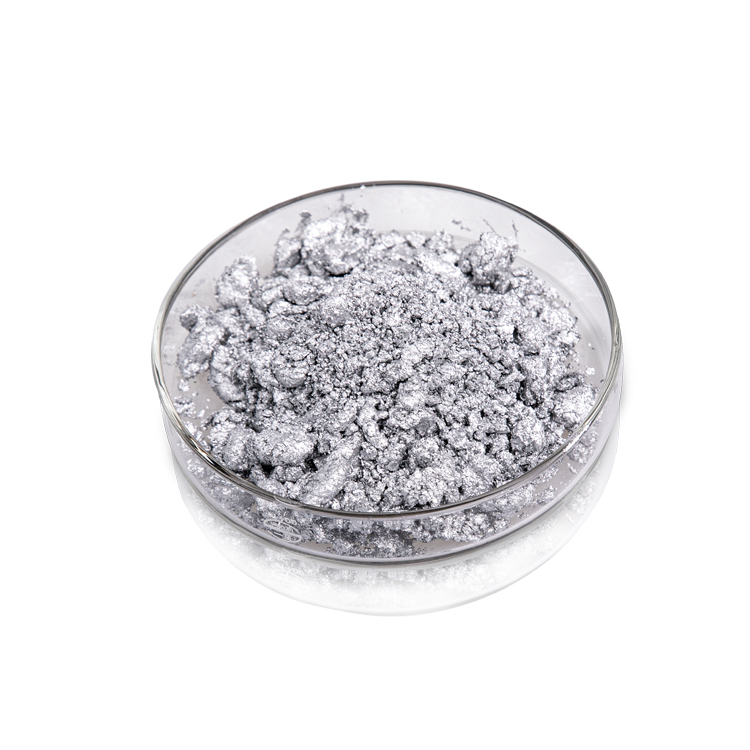
Low-VOC Trends Drive Interest in Water-Based Aluminium Paste
Low-VOC and environmentally friendly coatings have become a priority across architectural and decorative applications.
Water-based aluminium paste supports this trend by enabling:
-
Reduced solvent content
-
Improved regulatory compliance
-
Compatibility with sustainable coating solutions
As decorative coatings move indoors and into public spaces, these benefits are becoming increasingly important for both formulators and end users.
How Water-Based Aluminium Paste Delivers Metallic Appearance
Flake Orientation and Optical Uniformity
The metallic appearance of aluminium-based coatings is driven by aluminium flakes embedded within the coating film.
In water-based aluminium paste:
-
Thin, plate-like flakes align parallel to the surface
-
Controlled flake orientation enhances light reflection
-
Brightness and gloss remain consistent across large areas
This structure helps achieve strong optical uniformity, avoiding patchiness or uneven metallic effects commonly associated with poor dispersion.
Compatibility with Modern Waterborne Coating Systems
Stability in Decorative Formulations
Waterborne coating systems often rely on acrylic and polyurethane binders, which require metallic pigments with stable surface chemistry.
Surface-treated aluminium flakes in waterborne aluminium paste help ensure:
-
Dispersion stability during storage and application
-
pH stability in water-based formulations
-
Reduced risk of oxidation and gas formation
These factors contribute to reliable performance in decorative coatings that demand both aesthetics and process consistency.
Durability and Barrier Performance in Decorative Applications
Maintaining Appearance Over Time
Beyond appearance, decorative coatings must retain performance during daily use.
Water-based aluminium paste contributes to durability through:
-
Lamellar barrier performance that slows moisture penetration
-
Enhanced oxidation resistance via surface treatment
-
Improved appearance stability under light exposure and cleaning
These properties help metallic decorative coatings maintain visual quality throughout their service life.
Applications of Waterborne Aluminium Paste in Decorative Coatings
Water-based aluminium paste is commonly applied in:
-
Architectural coatings
-
Interior finishes
-
Packaging inks
-
Selected industrial coatings
Its versatility allows formulators to achieve metallic effects across diverse substrates while maintaining compliance with modern environmental standards.
Water-Based Aluminium Paste Compared with Solvent-Based Alternatives
When compared with solvent-based aluminium paste, waterborne alternatives offer a different balance of performance factors.
|
||||||||||||
|---|---|---|---|---|---|---|---|---|---|---|---|---|
While both systems deliver metallic performance, water-based aluminium paste is increasingly viewed as a practical alternative to solvent-borne metallic pigments in decorative coatings.
Frequently Asked Questions
Is water-based aluminium paste suitable for decorative coatings?
Yes. With proper surface treatment, it performs reliably in a wide range of decorative coating systems.
Does waterborne aluminium paste affect metallic brightness?
No. Proper flake orientation ensures strong brightness and gloss comparable to traditional systems.
Why is dispersion stability important in water-based formulations?
Stable dispersion prevents flake agglomeration, ensuring consistent appearance and coating performance.
Conclusion: Water-Based Metallic Solutions Shape Decorative Coatings
As decorative coatings continue to evolve, water-based technologies are no longer a compromise.
Through controlled flake orientation, stable formulation behaviour, and improved environmental performance, water-based aluminium paste is helping redefine how metallic effects are achieved in modern decorative coatings—supporting both visual innovation and sustainability goals.