Aluminium Paste Enables High-Gloss Metallic Effects in Inks
2025 / 12 / 18Metallic visual effects have become a key differentiator in packaging, labels, and decorative printing.
Brand owners increasingly demand high gloss, brightness, and consistency across substrates.
To meet these requirements, aluminium paste has emerged as a core material for delivering premium metallic ink performance.
Aluminium Paste Drives High-Gloss Metallic Ink Performance
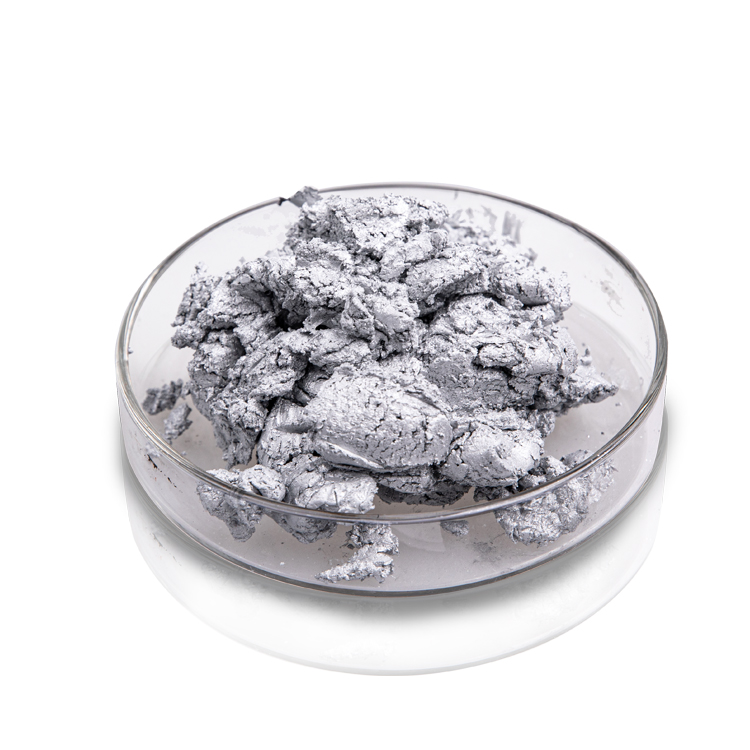
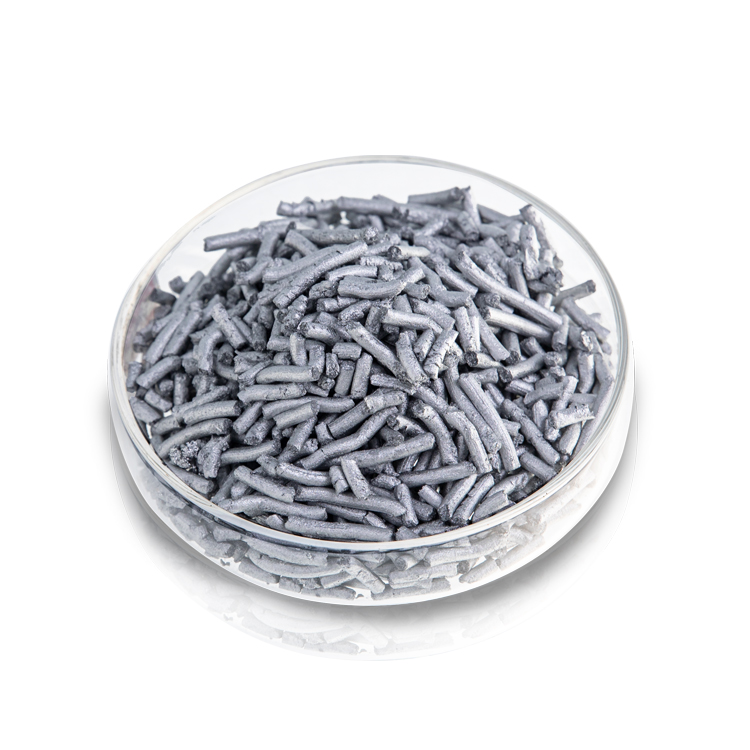
The global printing inks market continues to shift toward high-value decorative effects.
According to Smithers Market Intelligence (2024), metallic and special-effect inks are growing at over 6% annually, driven by premium packaging and branding.
Aluminium paste enables this growth by offering a combination of optical brilliance, process stability, and cost efficiency.
How Aluminium Paste Creates High-Gloss Metallic Effects
Flake Orientation and Optical Reflection
The metallic gloss of aluminium paste is achieved through controlled flake geometry and alignment.
Key contributors include:
-
Fine, smooth aluminium flakes
-
Narrow particle size distribution
-
Parallel flake orientation in the ink film
When printed, these flakes reflect light uniformly, resulting in:
-
Mirror-like metallic gloss
-
Strong brightness and coverage
-
Clean, consistent metallic appearance
These optical principles are well established in printing ink and pigment science literature.
Performance Advantages in Printing and Processing
Printability, Stability, and Consistency
High-quality aluminium paste improves ink performance during printing by:
-
Enhancing ink flow and levelling
-
Reducing mottling and streaking
-
Supporting consistent transfer in gravure, flexo, and screen printing
Properly surface-treated aluminium paste also improves storage stability and oxidation resistance, helping inks maintain performance over time.
Compatibility with Modern Ink Systems
Solvent-Based, Water-Based, and UV Inks
Advancements in surface treatment allow aluminium paste to perform effectively in:
-
Solvent-based inks
-
Water-based inks
-
UV-curable ink systems
This versatility supports wider adoption in sustainable and low-VOC printing applications, aligned with current regulatory trends.
Application Comparison: Aluminium Paste vs Other Metallic Ink Pigments
|
|---|
Aluminium paste provides a balanced solution between visual impact and processing efficiency.
Typical Applications of Aluminium Paste in Inks
Aluminium paste is widely used in:
-
Packaging and decorative inks
-
Labels and brand graphics
-
Security and specialty printing
-
Consumer goods and promotional materials
Its ability to deliver high-gloss metallic effects makes it particularly suitable for premium packaging.
Frequently Asked Questions
Can aluminium paste be used in water-based inks?
Yes. Surface-treated aluminium paste shows good stability in modern waterborne ink systems.
Does aluminium paste affect print resolution?
When properly selected, aluminium paste supports clean edges and uniform coverage without compromising resolution.
What is the typical dosage in ink formulations?
Loading levels generally range from 5% to 12%, depending on gloss and opacity requirements.
Conclusion: Aluminium Paste as a Key Enabler of Metallic Ink Innovation
As printing applications demand greater visual impact and process reliability, aluminium paste continues to enable innovation.
Its advantages include:
-
High-gloss metallic appearance
-
Stable printing performance
-
Compatibility with diverse ink systems
Ongoing improvements in flake design and surface chemistry will further expand the use of aluminium paste in next-generation metallic inks.