Why Aluminum Paste for Paint Is a Key Material in Modern Coatings
2026 / 03 / 24In 2026, the demand for aluminum paste for paint continues to rise across industries such as automotive coatings, industrial protection, architectural finishes, and packaging. Search trends show that keywords like aluminum paste, aluminum pigment, and leafing aluminum pigment are consistently growing due to their critical role in enhancing coating performance.
According to market research, aluminum pigments contribute to nearly 45%–50% of metallic coating applications globally, driven by the need for durability, reflectivity, and corrosion resistance. As industries demand both aesthetics and functionality, selecting the right aluminum paste becomes a key technical and commercial decision.
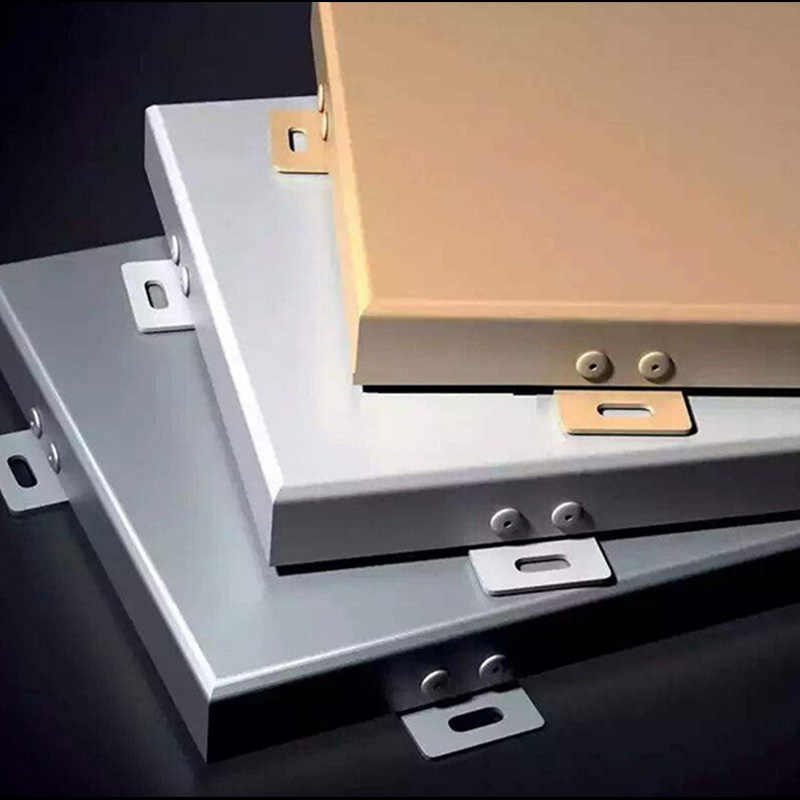
First: What Exactly Does Aluminum Paste Do in Paint Systems?
1. Metallic Effect and Optical Performance
The primary reason for using aluminum paste for paint is its ability to create a metallic finish. Aluminum flakes reflect light, producing:
- Bright silver effects
- Metallic sparkle
- Mirror-like reflection (especially in leafing systems)
This is essential in:
- Automotive metallic paints
- Decorative coatings
- Consumer product finishes
2. Barrier Protection and Anti-Corrosion Function
Beyond aesthetics, aluminum pigment plays a structural role in coatings. When properly dispersed:
- Aluminum flakes align parallel to the surface
- Form a protective barrier layer
- Reduce moisture and oxygen penetration
This improves:
- Corrosion resistance
- Chemical resistance
- Coating lifespan
3. Heat and UV Resistance
High-quality aluminum paste provides:
- Heat reflection (used in roof coatings)
- UV resistance (prevents coating degradation)
This makes it suitable for:
- Outdoor coatings
- High-temperature applications
4. Functional Performance Overview
| Function | Role of Aluminum Paste |
|---|---|
| Optical Effect | Metallic gloss & shine |
| Protection | Anti-corrosion barrier |
| Durability | UV & heat resistance |
| Structure | Layered flake alignment |
Second: Types of Aluminum Paste – How to Choose Correctly
Choosing the right type of aluminum paste for paint is one of the most critical decisions for formulators and buyers.
1. Leafing Aluminum Paste
Definition:
Aluminum flakes float to the coating surface, forming a dense reflective layer.
Key Characteristics:
- Extremely high brightness
- Strong metallic effect
- Surface-oriented flake structure
Best Applications:
- Decorative paints
- Automotive topcoats
- Reflective coatings
2. Non-Leafing Aluminum Paste
Definition:
Aluminum flakes are evenly distributed throughout the coating film.
Key Characteristics:
- Balanced appearance
- Superior corrosion resistance
- Better adhesion in multilayer coatings
Best Applications:
- Industrial coatings
- Marine coatings
- Printing inks
3. Leafing vs Non-Leafing Comparison
| Feature | Leafing Aluminum Paste | Non-Leafing Aluminum Paste |
|---|---|---|
| Appearance | Mirror-like | Soft metallic |
| Corrosion Resistance | Medium | High |
| Durability | Moderate | Excellent |
| Use Case | Decorative | Protective |
4. Step-by-Step Selection Guide
Step One: Identify Application
- Decorative vs industrial
- Indoor vs outdoor
Step Two: Determine System Type
- Solvent-based coating
- Water-based coating
Step Three: Define Performance Requirements
- Gloss level
- Particle size
- Corrosion resistance
Third: Key Technical Factors That Affect Aluminum Paste Performance
Understanding technical parameters is essential when selecting aluminum pigment.
1. Particle Size Distribution
- Fine particles → smoother finish, lower sparkle
- Coarse particles → stronger metallic effect
2. Solid Content
Higher solid content improves:
- Coverage efficiency
- Cost performance
3. Surface Treatment
Modern aluminum paste for paint may include:
- Resin-coated aluminum pigment
- Silica-treated pigments
Benefits:
- Improved stability
- Better compatibility in water-based systems
4. Dispersion Stability
Poor dispersion leads to:
- Floating
- Color inconsistency
- Reduced coating performance
Fourth: Application Trends Driving Aluminum Paste Demand
1. Automotive Coatings
The automotive industry remains the largest consumer of aluminum paste, driven by:
- Demand for metallic finishes
- High durability requirements
2. Printing Ink Industry
Growth in premium packaging is increasing demand for:
- Metallic inks
- High-gloss aluminum pigments
3. Industrial Protective Coatings
Used for:
- Anti-corrosion coatings
- Heat-resistant paints
- Marine coatings
4. Construction and Roof Coatings
Reflective aluminum paste for paint is widely used to:
- Reduce heat absorption
- Improve energy efficiency
Fifth: Real Application Case
A coating manufacturer producing industrial equipment paint faced issues with:
- Poor metallic consistency
- Low corrosion resistance
Solution
Switching to a non-leafing aluminum paste with optimized particle size.
Result
- 22% improvement in corrosion resistance
- More uniform coating appearance
- Reduced defect rate
Sixth: Procurement Tips for Aluminum Paste Buyers
First: Always Test Before Bulk Purchase
Laboratory and real-world testing are essential.
Second: Match Product to Application
Avoid using decorative-grade aluminum paste in industrial coatings.
Third: Evaluate Total Cost
Consider:
- Coverage efficiency
- Stability
- Long-term performance
Fourth: Check Supply Stability
Consistent supply is critical for large-scale production.
Conclusion: Choosing the Right Aluminum Paste for Paint
Selecting the right aluminum paste for paint is not just about price—it is about performance, stability, and long-term value. With increasing demand across industries, understanding product types, technical parameters, and application requirements is essential.
A well-chosen aluminum pigment can significantly enhance:
- Coating performance
- Product appearance
- Market competitiveness
Call to Action
If you are sourcing aluminum paste, aluminum pigment, or aluminum paste for paint, start by evaluating your technical requirements and testing suitable products.