Aluminum Powder vs Aluminum Paste: Key Differences in Metallic Pigments
2026 / 01 / 27
Understanding Aluminum Powder and Aluminum Paste
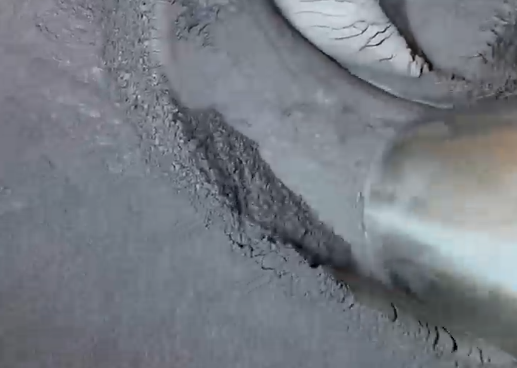
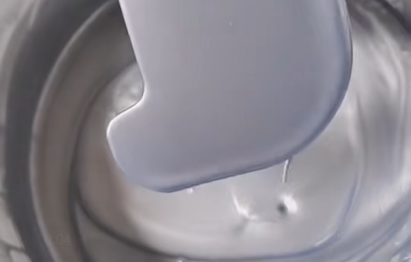
Aluminum powder and aluminum paste are widely used in various industries, including coatings, paints, and corrosion protection. While their applications often overlap, they differ significantly in their form, production methods, and the specific results they deliver in coatings.
In this article, we will explore the key differences between aluminum powder and aluminum paste, their respective properties, and how they are used in decorative coatings, industrial applications, and anti-corrosion systems.
Core Differences Between Aluminum Powder and Aluminum Paste
What Is Aluminum Powder?
Aluminum powder consists of finely divided aluminum particles, which can range from very fine to larger granules. It is widely used for:
-
Metallic pigments in coatings and paints
-
Refractory materials and ceramic alloys
-
Chemical metallurgy and military applications
Aluminum powder is highly reactive and often needs to be stored and handled carefully to prevent hazards such as combustion. The aluminum purity typically ranges from 98% to 99.9%, and the particle shape is usually irregular or water-drop shaped.
What Is Aluminum Paste?
Aluminum paste, on the other hand, is a mixture of aluminum powder with a solvent, creating a paste-like consistency. It typically contains:
-
Aluminum flakes
-
Petroleum solvents
-
Small amounts of additives
This form is easier to transport, store, and apply compared to aluminum powder, which is more hazardous due to its potential for combustion. Aluminum paste provides the same metallic effect as aluminum powder but is often preferred for safer handling and easier application.
Key Features of Aluminum Powder and Aluminum Paste
Optical Performance and Metallic Finish
Both aluminum powder and aluminum paste are used to create reflective metallic effects in coatings. However, the way these pigments behave in the final application differs:
-
Aluminum powder: Tends to be more scatter-focused, producing stronger reflections and a brighter metallic finish.
-
Aluminum paste: Forms a more uniform, smoother metallic effect, which is ideal for decorative and durable coatings.
Aluminum paste is often preferred in coatings that require gloss control and a consistent visual appearance, while aluminum powder is more commonly used when high gloss and vibrancy are needed.
Handling and Application
-
Aluminum powder is dry, making it easy to disperse in some systems. However, it can present risks during transport and application due to its dust formation, which can be hazardous.
-
Aluminum paste is safer to handle since it is in a wet form, which makes it easier to apply in a controlled manner. It’s commonly used in coatings for corrosion protection, automotive applications, and special effect finishes.
Applications of Aluminum Powder and Aluminum Paste
Aluminum Powder in Coatings and Industrial Applications
Aluminum powder is essential in applications that demand:
-
High-gloss finishes: Common in automotive and architectural coatings.
-
Corrosion protection: Used in marine and industrial coatings due to its reflective and protective properties.
This metallic pigment is used in a wide variety of coatings, including:
-
Automotive powder coatings
-
Industrial and appliance coatings
-
Packaging inks
Aluminum Paste for Coatings and Decorative Finishes
Aluminum paste excels in applications where stability, uniformity, and appearance consistency are crucial. Some common uses include:
-
Decorative coatings: Achieves a smooth, consistent metallic effect in luxury packaging and home decor.
-
Anti-corrosion coatings: Often used in marine, container, and architectural coatings for long-lasting protection.
-
UV-resistant finishes: Aluminum paste formulations can be customized to offer UV protection for products exposed to outdoor environments.
Comparing Aluminum Powder and Aluminum Paste
Here’s a quick comparison of aluminum powder vs. aluminum paste based on their properties and applications:
| Property | Aluminum Powder | Aluminum Paste |
| Form | Dry powder | Paste-like mixture |
| Ease of Handling | Risk of dust; hazardous | Easier to handle; safe |
| Application | High gloss and metallic effects | Smoother, more uniform finish |
| Durability | Higher abrasion resistance | More stable in coatings, better UV resistance |
| Usage | Automotive, industrial, packaging coatings | Luxury packaging, decorative finishes, anti-corrosion coatings |
Common Questions About Aluminum Powder and Aluminum Paste
Q1: Can aluminum paste be used in all types of coatings?
Yes, aluminum paste can be used in a variety of coatings, including waterborne and solvent-based systems, depending on the formulation. It’s often selected for decorative finishes and corrosion protection due to its superior dispersion and stability.
Q2: Is aluminum powder safer to handle than aluminum paste?
No, aluminum powder is more hazardous because it is dry and prone to creating flammable dust during application. Aluminum paste, being a wet formulation, is much safer to handle and easier to apply.
Q3: How do aluminum powder and aluminum paste compare in terms of cost?
Aluminum paste typically has a higher initial cost than aluminum powder due to its wet formulation and the need for specific solvents. However, its superior application control and safety may justify the extra cost in many industries.
Conclusion: Choosing the Right Aluminum Pigment for Your Coating Needs
When choosing between aluminum powder and aluminum paste, it’s important to consider the desired appearance, performance requirements, and safety of the application.
-
Aluminum powder is ideal for high-gloss, reflective finishes and is suitable for industrial applications where abrasion resistance is crucial.
-
Aluminum paste, on the other hand, is the preferred choice for luxury coatings, anti-corrosion systems, and applications requiring uniform visual effects.
Both forms of aluminum pigment offer unique advantages, making them indispensable in modern coating systems.
For manufacturers and formulators seeking stable, high-quality metallic finishes, both aluminum powder and aluminum paste provide reliable performance and durability for premium applications.